
Canticum Profanum
There is a long tradition of taking back the sacred.
Hymns have always moved across borders. A tune written for one altar turns up at another. A festival becomes a feast day. A household charm survives under a saint’s name. Borrowed forms rarely remain obedient. The profane is often only the sacred outside the approved enclosure.
Beneath the liturgical tradition lie older strata: seasonal rites, household magick, temple hymns, epic fragments, local gods, borrowed gods, half-remembered gods. None of this is pure. It has been used, reused, argued over, misremembered, and made sacred again.
Canticum Profanum is home for my ritual writing: hymns, prayers, devotional poems, retold myths, and pieces that come directly out of practice. This is the art of thinking and writing through myth rather than merely about it. My work here draws on Western liturgy, literary tradition, esoteric practice, Eastern philosophy, and the mythic sources beneath them -- not as parody or costume, but as living inheritances that reward serious attention.
Scholarship and devotion are not opposites here. The critical mind is not asked to wait outside. These traditions deserve the kind of attention too often reserved for canonized books, sanctioned rites, and respectable dead men. They can shape a person who takes them seriously.
The pieces here are meant to be used. Read them aloud if the mood takes you. Adapt them if they fit your hand differently than they fit mine. A text offered to no one is just words on a page, and words on a page are only the beginning.
The world was made of words. It can be remade.
The works collected here as Canticum Profanum are released under a Creative Commons Attribution-ShareAlike 4.0 International license. Use them, adapt them, carry them forward: just bring my name along, and leave the door open for whoever comes after you.
-
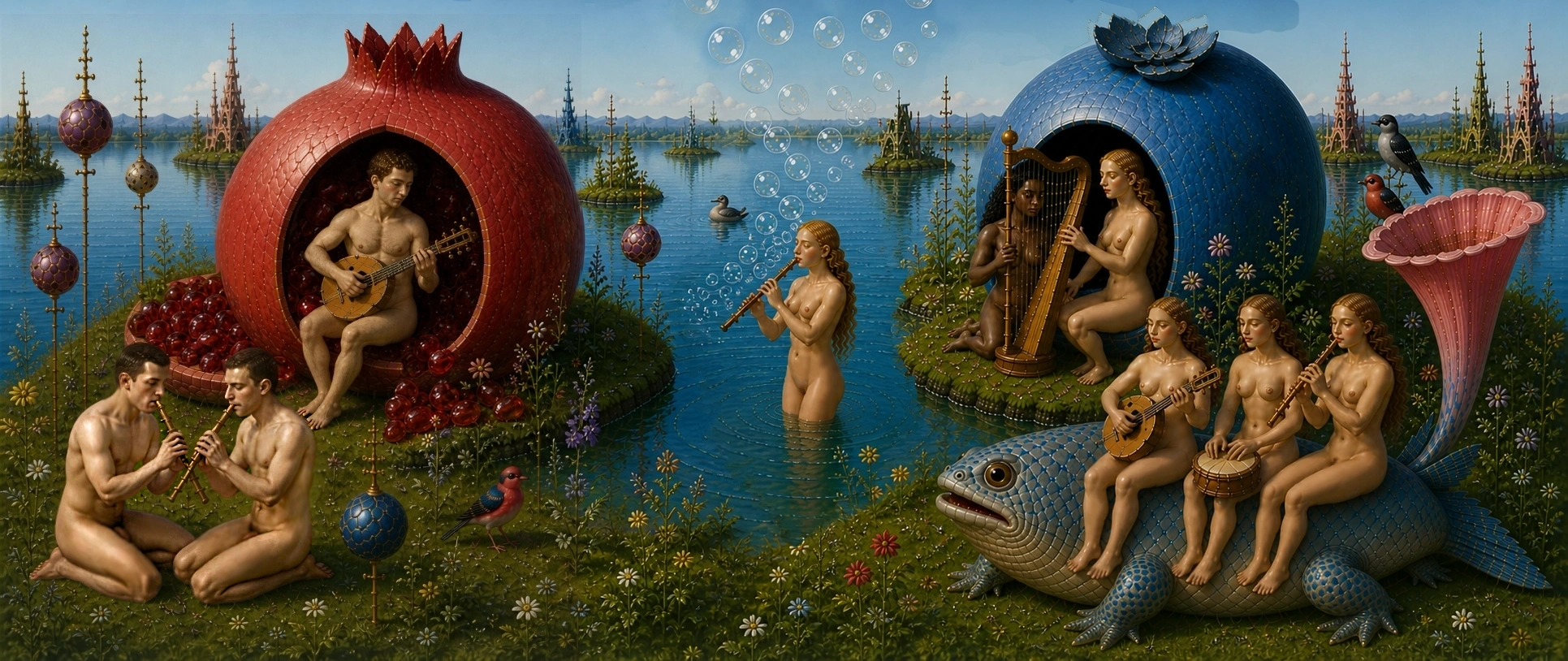
What Is A Profane Song?
A profane thing is not only a blasphemous thing. It is not only a vulgar thing, a dirty thing, a joke told too loudly beside…
-
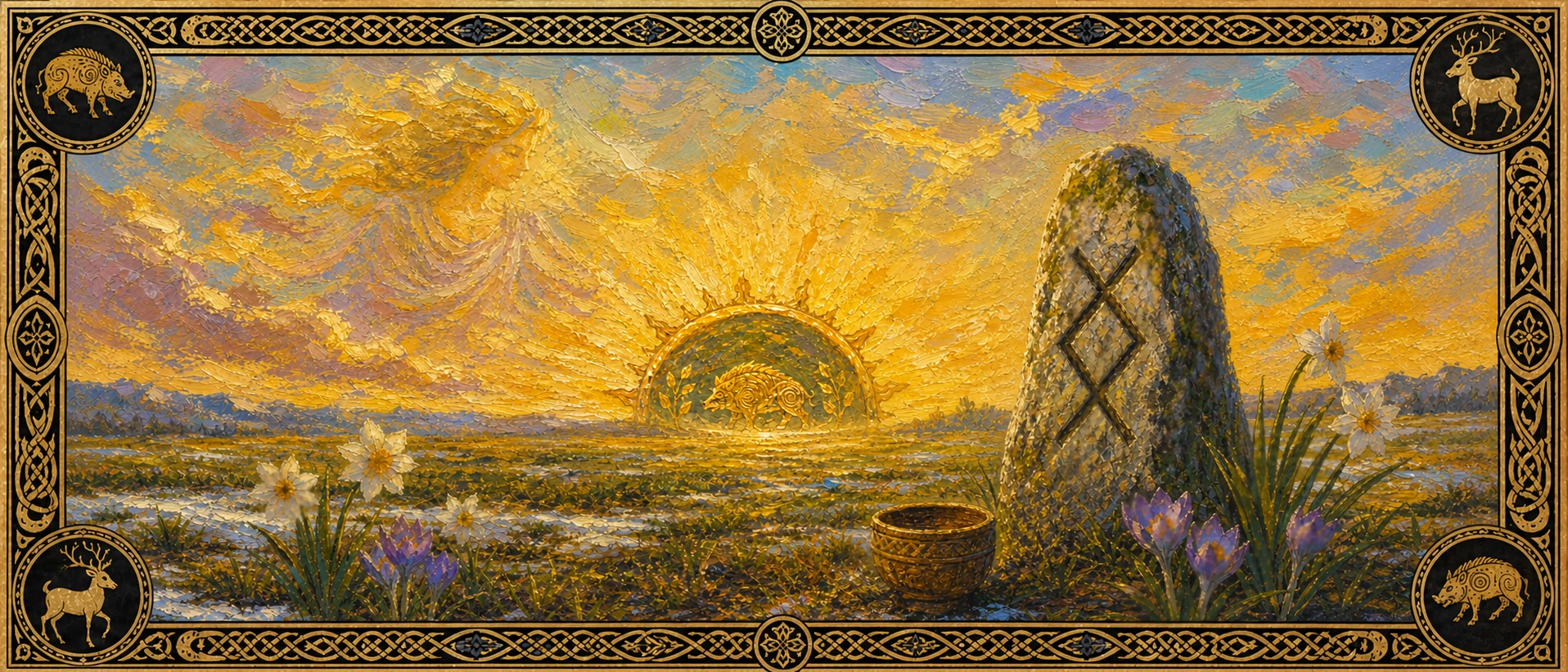
Ēadiġ is Dæġ
A Pagan Spring Hymn for Ēostre and Ing Frēa Ēadiġ is Dæġ is a modern Old English devotional refrain meaning “Blessed is [the] day.” This…
-
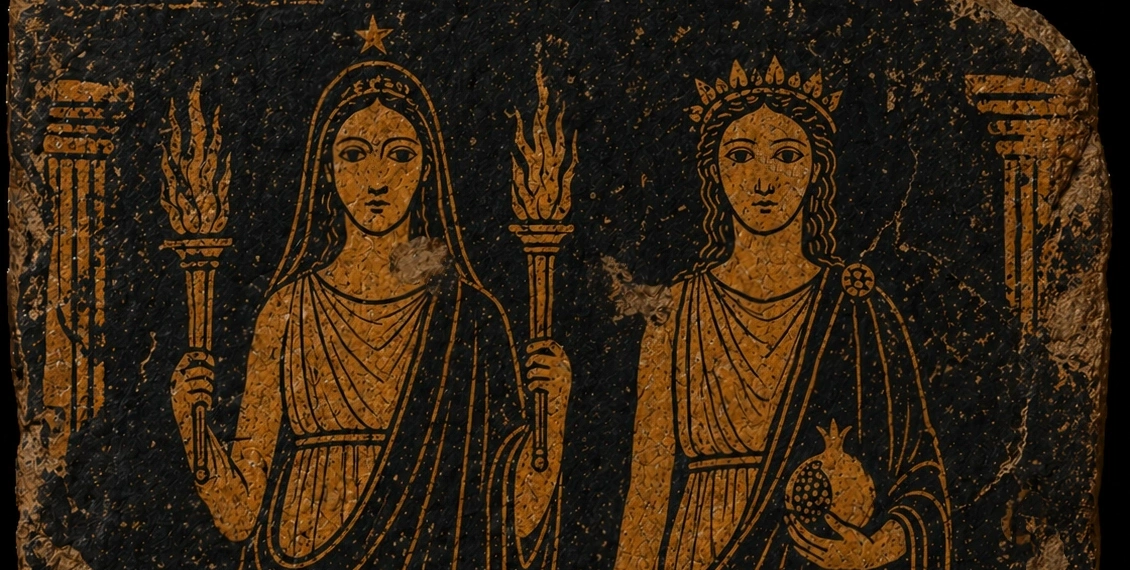
A Myth of Spring
In another time, in the age of wonder, before stories became histories and before mysteries became laws, the Green Mother brought forth a child beloved…